Pranay Meshram
PhD Student, Computer Science @ University at Buffalo, NY
FIELD ROBOTICS · PLANNING · 3D PERCEPTION
I build representations and planners that help robots reason across large, unstructured environments—from terrain semantics and geometry to mission language and robot-specific constraints.
I am a Ph.D. student at the University at Buffalo, advised by Dr. Karthik Dantu in the DRONES Lab. My research connects language-conditioned planning, semantic-geometric terrain abstraction, hierarchical search, and 3D perception so autonomy systems can make fast, grounded decisions outside structured roads.
My current work develops robot-adaptive off-road planning from natural-language mission preferences. Earlier work spans HOPHY and CLEAR for large-scale terrain reasoning, QAL and Empir3D for point-cloud reconstruction quality, modular visual SLAM, and self-supervised stereo depth from polarization at Meta Reality Labs.
SELECTED WORK
From terrain maps to field robots
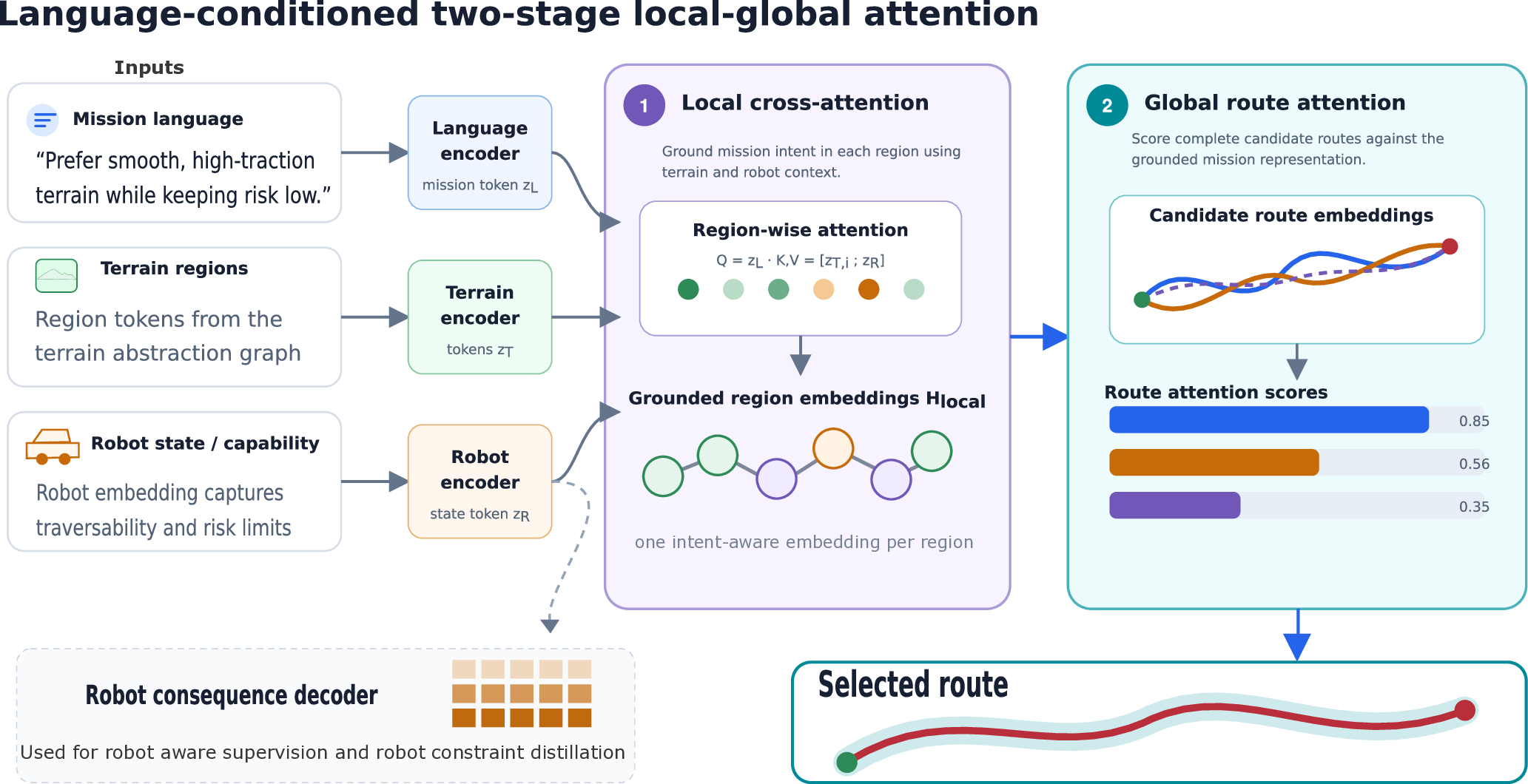
Language-Conditioned Off-Road Planning
Robot-adaptive route planning that grounds mission preferences in semantic terrain and traversal consequences.
Two-stage region-guided planning reduces search states by 75% and candidate latency by 20–22% in the current evaluation.
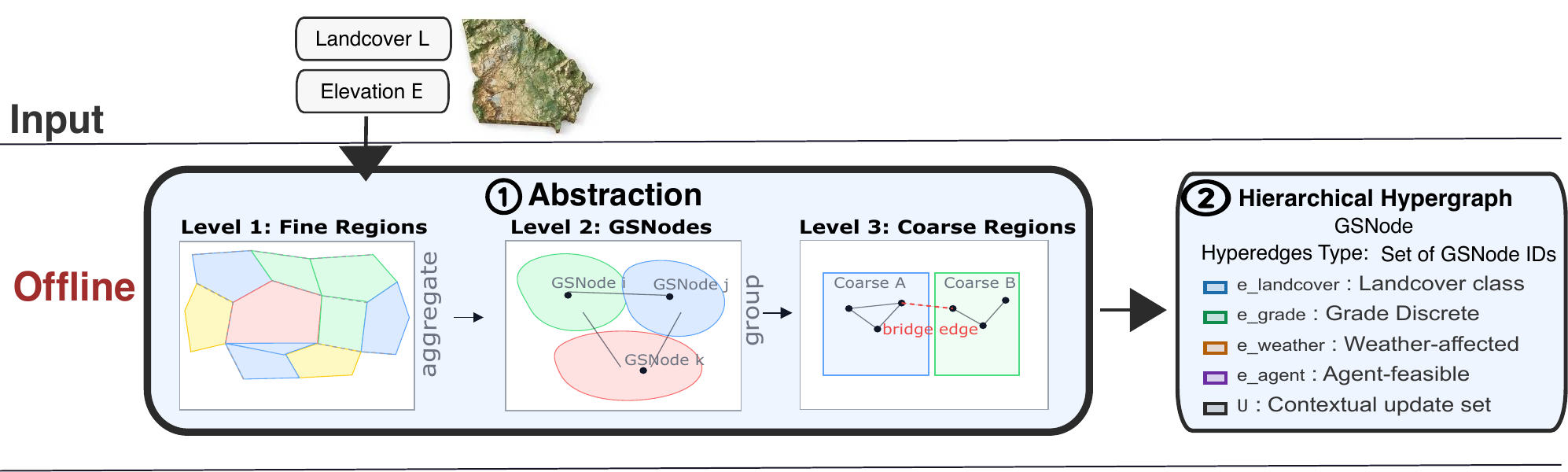
HOPHY
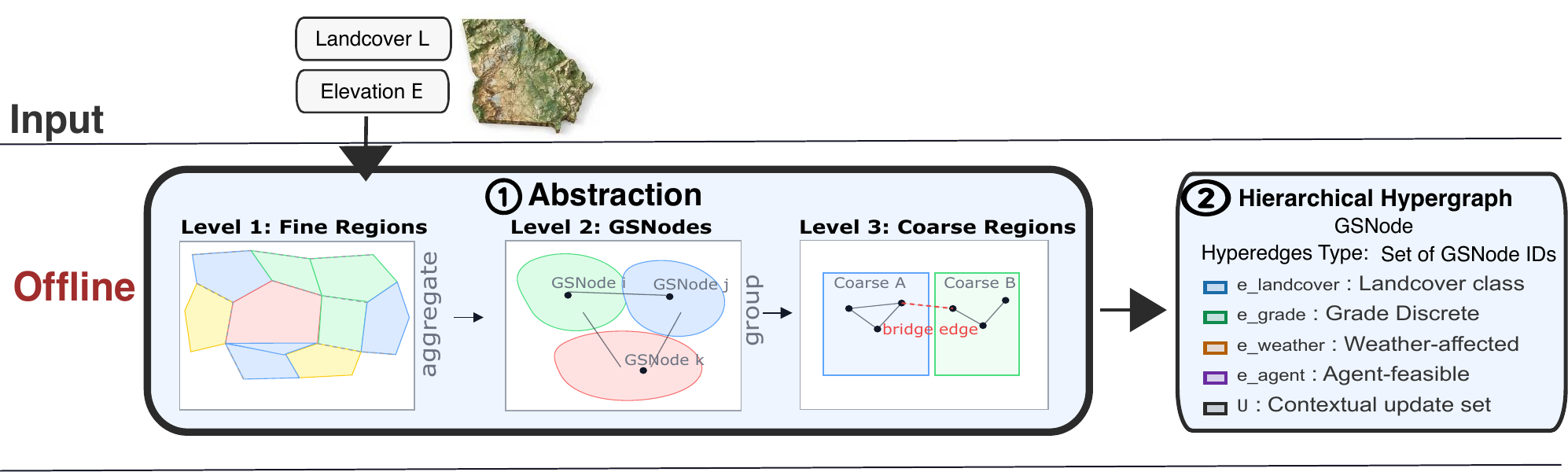
Hierarchical off-road planning with reusable hypergraph abstractions for fast, localized replanning.
68–1,280× faster path queries; validated over 1.5 km of autonomous Jackal navigation.
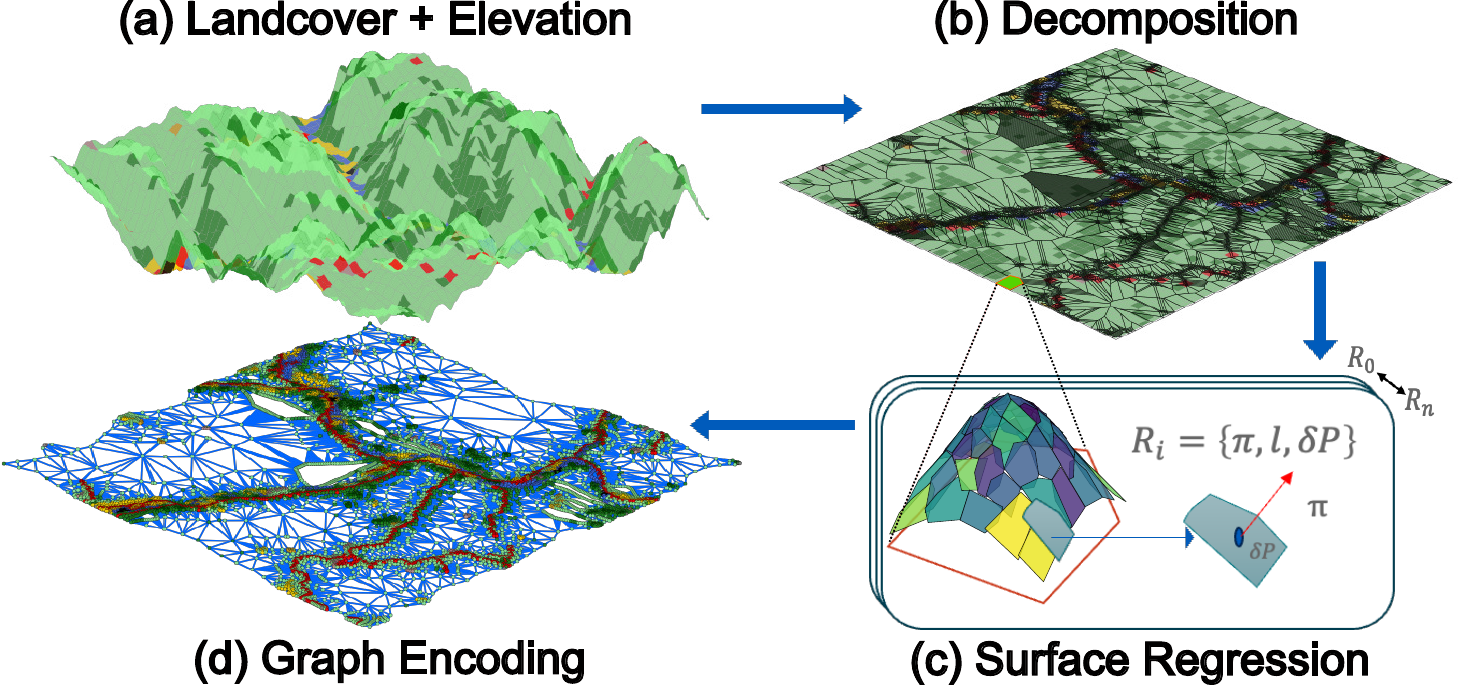
CLEAR
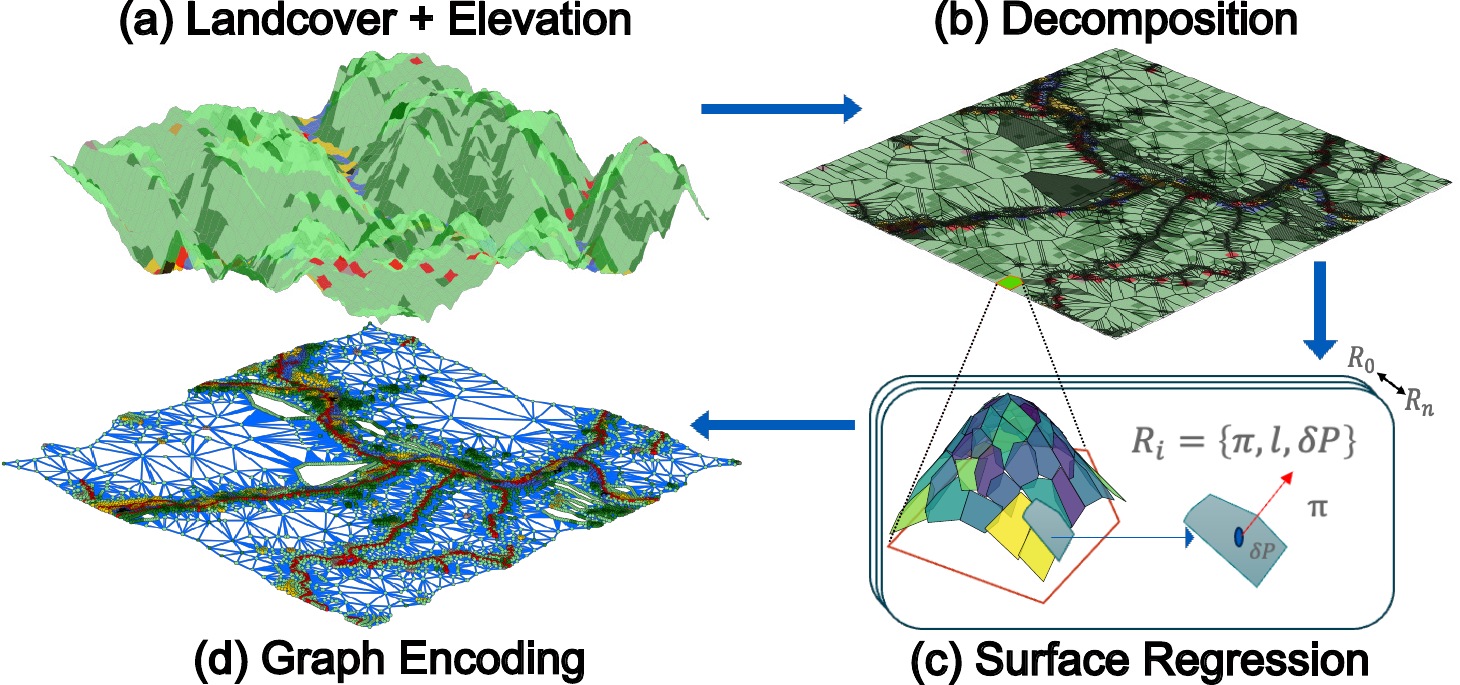
A semantic-geometric terrain abstraction for reliable planning across large, unstructured environments.
10× faster planning with 6.7% cost overhead in the reported evaluation.
QAL
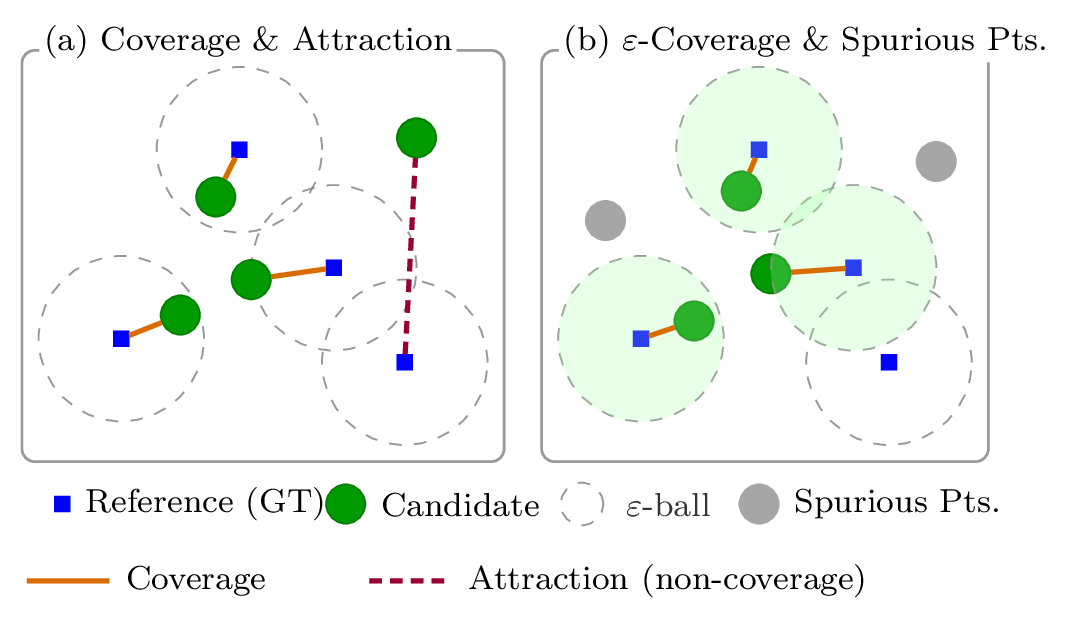
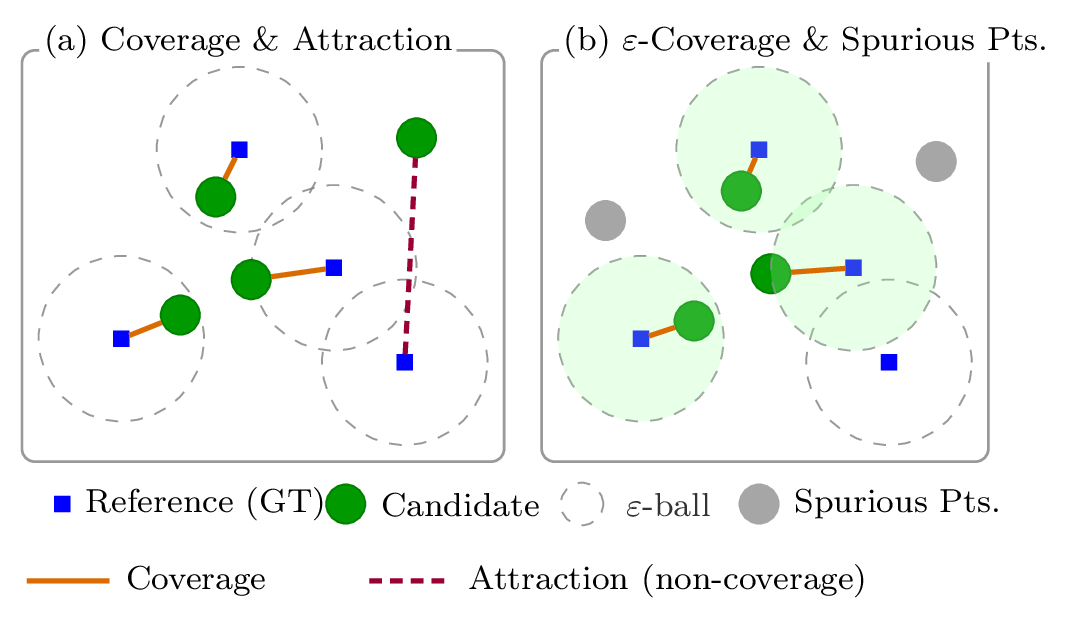
A quality-aware loss that separates coverage and precision for point-cloud reconstruction.
+4.3 average coverage points over Chamfer Distance in the reported experiments.
Empir3D
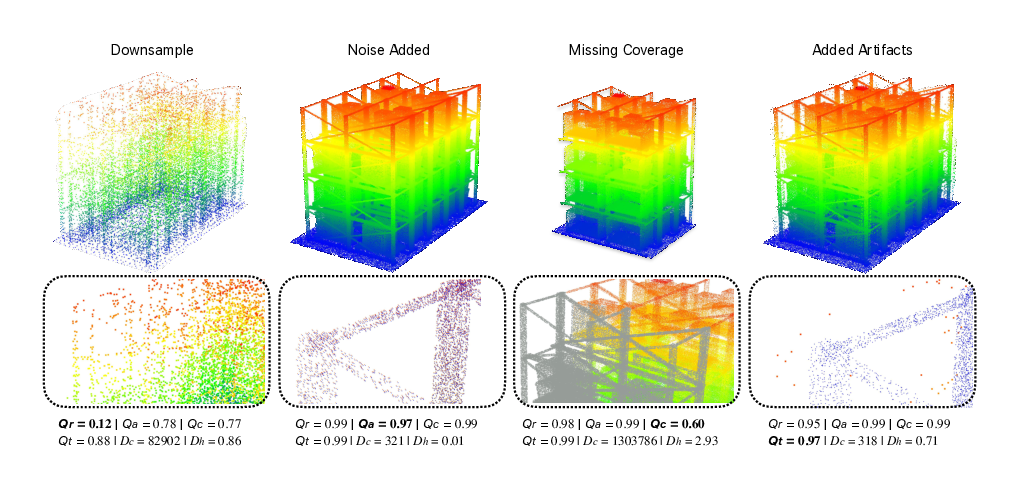
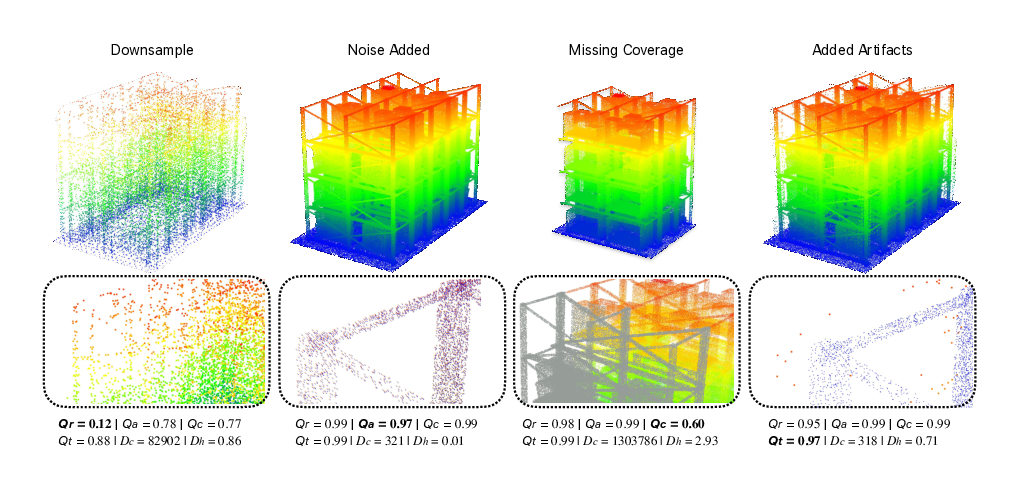
Multi-dimensional point-cloud assessment across resolution, accuracy, coverage, and artifacts.
A four-dimensional view of reconstruction quality beyond a single distance score.
news
| Aug 06, 2026 | Our paper “CLEAR: A Semantic-Geometric Terrain Abstraction for Large-Scale Unstructured Environments” has been accepted to IEEE Robotics and Automation Letters (RA-L). For project details, visit the CLEAR project page. |
|---|---|
| Dec 09, 2025 | Our paper “QAL: A Loss for Recall–Precision Balance in 3D Reconstruction” has been accepted to WACV 2026! 🎉 |
| Nov 02, 2025 | UBPercept placed 5th overall at the 2022 ACM/IEEE TinyML Design Contest at ICCAD (Nov. 2), and earned 1st in latency and 3rd in flash (memory). Full results: TinyML Contest Winners. |
| Jul 08, 2022 | Built a monocular visual odometry (VO) pipeline in Rust on the KITTI benchmark. Implemented feature tracking, pose estimation, and trajectory reconstruction, with plotting utilities to compare estimated trajectories against ground truth. Benchmarked VO accuracy across sequences and experimented with tuning feature detection thresholds and RANSAC parameters to handle motion blur and texture-poor regions. Added demos and visualizations to highlight drift over long trajectories and loop-closure opportunities. Git Repository |
| Jun 21, 2022 | DAC System Design Contest 2022 – 4th place (UBPercept). Built an FPGA-friendly CNN pipeline on Ultra96V2 with quantization-aware training and deployment automation, targeting tight latency/memory budgets. Led a 7-member team through data curation, profiling, and inference optimization; automated builds and on-board evaluation to iterate rapidly on accuracy–efficiency trade-offs. Documented lessons on model pruning and kernel fusion for edge devices. Results |